English
 中文简体
中文简体
An unusual look? It's just an optional installation method for the AFP sewage pump. Today, let's talk about the horizontally installed AFP sewage pump.
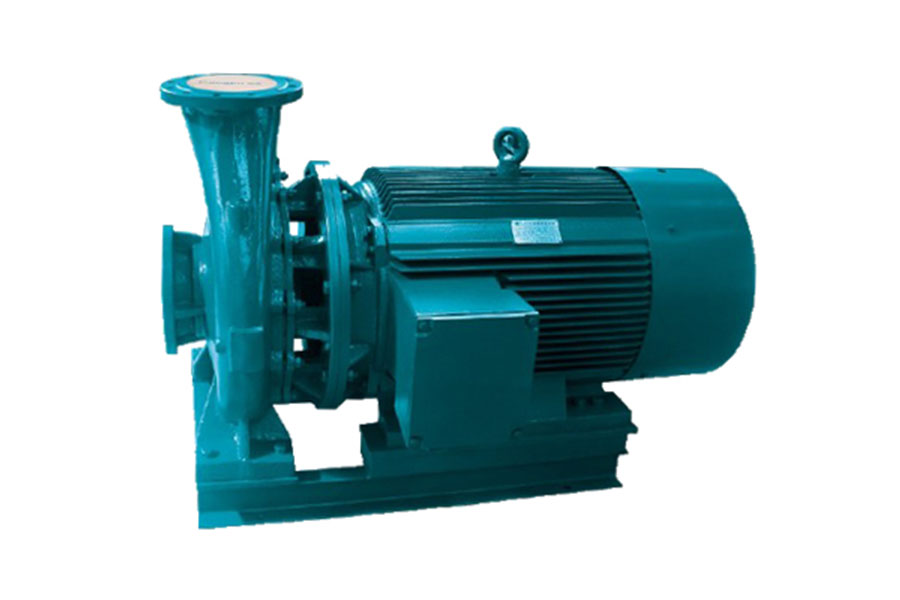
Customers can install the pump horizontally based on their site conditions. The inlet, originally at the bottom, aligns perfectly with the pipeline on the same level, with the outlet facing upward for smooth piping connections.
The motor and pump body are fixed directly to the base on the ground. Vibration during operation is absorbed by the base and won't transfer to the piping, protecting both the piping and the pump body from damage. The base itself is reinforced with stiffening ribs to prevent displacement or settlement over long-term operation.
Horizontal installation requires a cooling jacket for motor heat dissipation. With IP68 protection, it handles both dry and wet conditions—stays cool during dry running and withstands accidental submersion without damage.
Worried about the pump shaft bending over time? Under proper design, installation, and operating conditions, it won't. The AFP series shaft deflection under horizontal load has been carefully calculated during the design phase. The reinforced base ensures precise alignment between the pump shaft and motor shaft, fully capable of handling lateral forces. What you really need to watch out for is long-term operation away from the design point—that's the real "killer" of the pump shaft.
Why do customers choose horizontal installation? Three main reasons:
First, easy maintenance. Horizontal pumps don't need to be hoisted as a whole unit. Maintenance can be done at ground level—impeller inspection only requires removing the inlet pipe. Vertical pumps, on the other hand, often require removing the entire upper section, which is much more troublesome.
Second, stable operation. Horizontal pumps have a low center of gravity with minimal vibration, which is gentler on both equipment and piping. The compact structure and low noise ensure stable long-term performance.
Third, easy observation in dry installation. Horizontal installation typically means dry installation—the pump sits outside the liquid. You can directly observe the pump's operating status and detect any abnormalities early.
If your site also faces space constraints or high maintenance costs, consult professionals for a customized solution that meets your site requirements.



 Home
Home