English
 中文简体
中文简体
You probably never realize how close water pumps are to our daily lives.
At seven in the morning, you turn on the faucet — a secondary water supply pump is pushing water up to the 20th floor. You flush the toilet — a sewage pump is underground "cleaning up the mess." You walk into an office building and feel the spring breeze — a circulation pump is racing through the air conditioning pipes. Without water pumps, modern urban civilization would come to a halt.
But this is just the tip of the iceberg. From early morning to late night, from your front door to factories, from wetland parks to viral tourist attractions, water pumps are everywhere. Below, we break down these "invisible workers" one by one according to different life application scenarios.
I. Residential Buildings and Daily Life: On Call from Dawn to Dusk
Your day begins with a water pump and ends with one as well.
Morning Phase — Water Supply and Drainage Equipment:
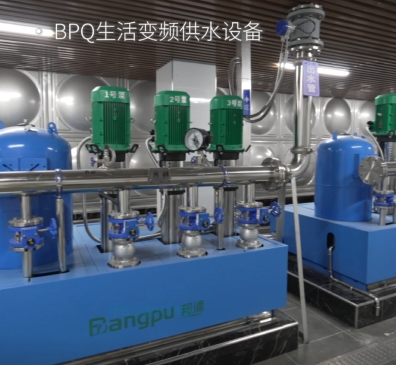
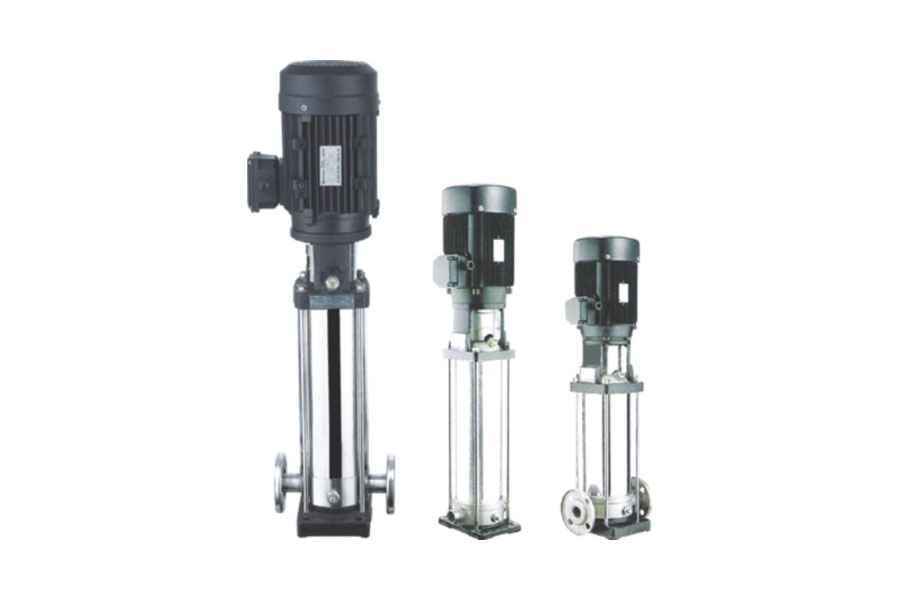
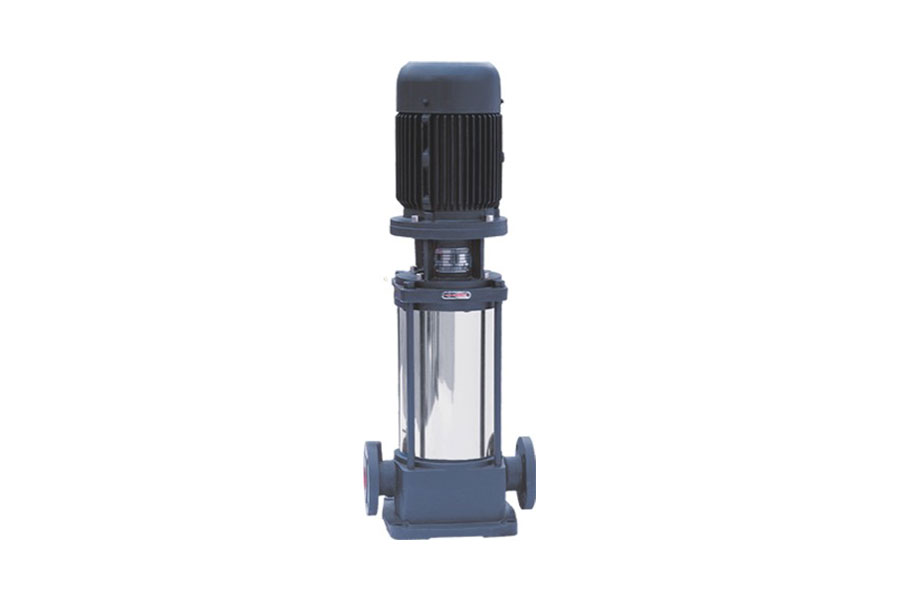
Variable Frequency Booster Pump for Secondary Water Supply: The pressure of conventional municipal water supply networks typically can only meet the direct water supply needs of buildings up to seven stories high. For residential buildings above seven stories, water pressure is severely insufficient. Therefore, stainless steel multistage centrifugal pumps are installed in basement pump rooms, used in conjunction with variable frequency drive cabinets to pressurize and deliver water to the 20th floor or even higher. At the same time, the system integrates ultraviolet sterilization devices and online water quality monitoring equipment to ensure the safety of secondary water supply.
Sewage Lift Pump: Wastewater from each household in a residential building flows by gravity into a basement collection pit, but the water level in the pit is lower than the municipal sewage network and cannot discharge on its own. The sewage lift pump uses a vortex impeller with cutting capability to shred solid debris such as feces and toilet paper, then forcibly discharges the wastewater into the municipal sewage network, preventing basement backflow.
Hot Water Circulation Pump: In a centralized hot water supply system, the hot water in the main pipeline gradually cools down when flow stops. The hot water circulation pump is installed on the return line and operates continuously at low flow and low head, creating a closed loop between the main pipeline and the water heater. This ensures that users receive hot water at the set temperature within seconds of opening the faucet, avoiding water waste.
Household Self-Priming Pump: In decentralized water supply scenarios such as rural self-built houses or urban villas, where the water source is groundwater or the pressure at the end of the municipal network is extremely low, conventional centrifugal pumps fail because they cannot self-prime. The household self-priming pump has a built-in water storage chamber and return holes. After an initial prime, it automatically expels air from the suction line and draws water from below the groundwater table to the surface.
Nighttime Phase — Safety and Support Equipment:
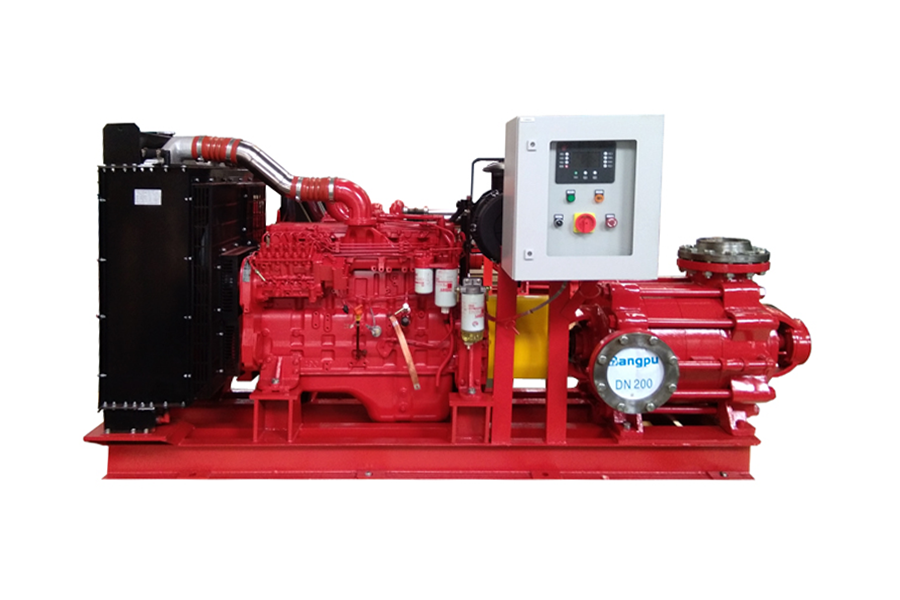
Fire Protection稳压泵 and Main Pump Interlocking System: According to national fire safety codes, the fire protection network of high-rise buildings must always maintain sufficient pressure. The fire protection jockey pump operates intermittently at low flow and high head to compensate for minor pressure leaks in the network, ensuring the system is always on standby. When a fire occurs and a sprinkler or fire hydrant opens, causing a sudden drop in network pressure, the jockey pump cannot maintain pressure, and the control system immediately starts the large-flow main fire pump, delivering water to any floor within tens of seconds.
Heating Circulation Pump (Heating Season): In a centralized heating system, the heat exchange station heats the secondary network water from the primary hot water delivered by the heat source plant through a plate heat exchanger. The heating circulation pump is installed on the return main pipe of the secondary network, driving hot water to circulate continuously through in-room radiators or underfloor heating coils at high flow and low head. When outdoor temperatures drop at night, the heat exchange station automatically adjusts the pump speed or the number of operating pumps based on supply water temperature sensors, reducing energy consumption while maintaining indoor temperatures.
Municipal Sewage Intermediate Lift Pump: Urban sewage networks pass through multiple intermediate lift pumping stations during long-distance transport. Each station filters the gravity-flow sewage from upstream through a bar screen, then uses submersible sewage pumps to pressurize and deliver it to the next section of the network or to the final treatment plant. Even when nighttime residential water usage drops significantly, these stations continue to operate intermittently based on automatic level control logic, preventing the network from accumulating sewage that could ferment, produce gas, and corrode pipes.
Low-Flow Night Mode of Secondary Water Supply Pump Sets: Between midnight and 5 a.m., residential water usage is extremely low. The variable frequency secondary water supply pump set monitors network pressure changes in real time through pressure sensors. When flow approaches zero, the control system automatically switches the main pump to standby mode, maintaining basic pressure with only a small auxiliary pump or pressure tank. If someone uses the toilet or washes their hands at night, pressure drops instantly, and the system wakes up the main pump within one second to restore water supply.
II. Commercial Buildings: The "Environmental Support System" of Office Buildings and Shopping Malls
When you walk into an office building and find the temperature just right, the restrooms clean, and the water pressure stable — all of this is supported by water pumps working behind the scenes.
Chilled Water Circulation Pump and Cooling Water Circulation Pump for HVAC: A central air conditioning system consists of two parts: the cold source side and the user side. On the cold source side, the evaporator of the chiller produces chilled water at approximately 7°C (45°F), which is pressurized by the chilled water circulation pump and delivered to fan coil units or air handling units on each floor. After absorbing indoor heat, the water temperature rises to about 12°C (54°F) and returns to the evaporator, forming a closed loop. At the same time, the chiller's condenser requires heat dissipation: the cooling water circulation pump delivers cooling water at approximately 32°C (90°F) to the rooftop cooling tower, where it is cooled by forced ventilation to about 27°C (81°F) before returning to the condenser. These two circulation pumps are indispensable — if either stops, the entire HVAC system will fail within 15 minutes.
Sewage Lift Pump (For Underground Restrooms): Underground floors of commercial buildings (such as food courts or restrooms in parking garages) are at elevations lower than the municipal sewage network, making gravity-driven sewage discharge impossible. The sewage lift pump uses a fully sealed collection tank and a submersible sewage pump with cutting capability. Level sensors are installed inside the tank. When the water level reaches the start level, the pump automatically starts, lifting the sewage up to a gravity-flow pipe on the first floor or above; when the water level drops to the stop level, the pump shuts off, and the sealed tank simultaneously prevents odor leakage.
Fire Pump Set (Jockey Pump + Main Pump + Control Panel): The fire protection system of a large commercial complex is divided into multiple fire zones based on building area and fire hazard classification. The fire pump room typically contains two main pumps (one duty, one standby) and two jockey pumps (one duty, one standby). The jockey pump maintains the normal daily network pressure between 0.4 and 0.6 MPa. When a fire occurs and a fire hydrant or sprinkler opens, causing the pressure to drop to 0.35 MPa, the pressure switch activates, and the main pump automatically starts, reaching its rated flow and head within 30 seconds, covering the fire water supply needs of tens of thousands of square meters.
III. Industrial Production: The "Core of Process Fluid Transport" in Factories
In the industrial sector, water pumps are not auxiliary equipment — they are key execution units in the production process.
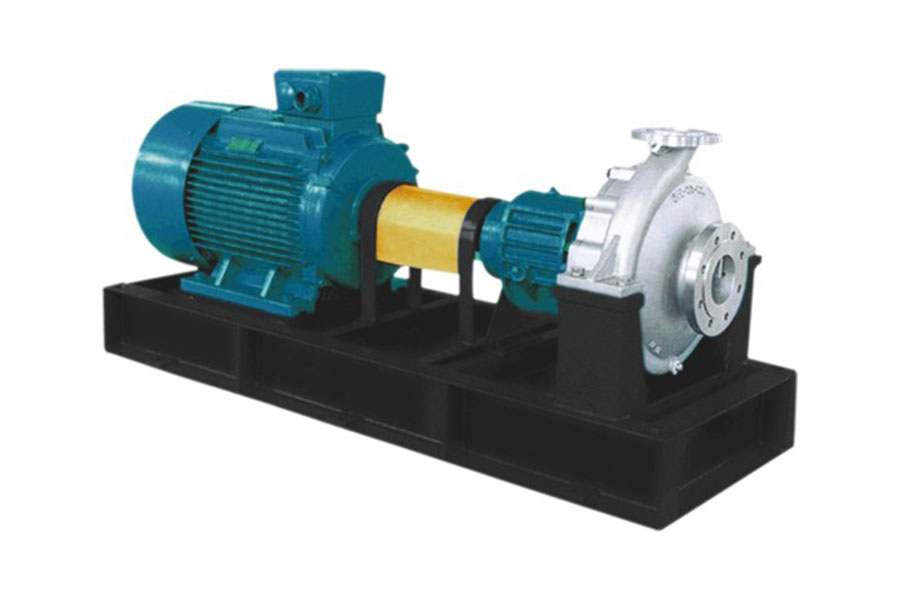
Chemical Centrifugal Pump (Corrosion-Resistant Type): The media transported in chemical plants are often strong acids (sulfuric acid, hydrochloric acid), strong bases (sodium hydroxide solution), or organic solvents. Ordinary cast iron or carbon steel pumps would be corroded through within hours. Chemical pumps use corrosion-resistant materials such as PTFE lining, fluoroplastics (PVDF), or Hastelloy alloy for the wetted parts, combined with mechanical seals or magnetic drives (seal-free design) to prevent hazardous media leakage. Their start/stop is interlocked with process line pressure, temperature, and flow controls. If pump seal leakage or flow abnormality occurs, the control system immediately alarms and executes an emergency shutdown procedure.
Industrial Cooling Water Pump: Equipment such as injection molding machines, extruders, welding robots, and variable frequency drives generate substantial heat during high-speed operation. If this heat is not removed promptly, internal temperatures will quickly exceed the tolerance limits of insulation materials or lubricating oils (typically 80-100°C / 176-212°F). Industrial cooling water pumps use open or closed-loop systems to deliver cooling water, prepared by cooling towers or chillers, at specified flow rates and pressures to each piece of equipment's heat exchange jacket or plate heat exchanger. Cooling water pumps are typically configured as one duty and one standby and are equipped with emergency power supplies, because a stop lasting more than three minutes could cause permanent damage to critical equipment.
Food-Grade CIP (Clean-In-Place) Pump: The pipes, tanks, and filling machines of food, beverage, and dairy production lines must be cleaned in place after each production batch. The CIP cleaning pump is made of 316L stainless steel, with a mirror-polished inner surface and a no-dead-corner design. The pump sequentially circulates alkaline solution (concentration 1-3%, temperature 75-85°C / 167-185°F), acidic solution (concentration 1-2%, temperature 65-75°C / 149-167°F), and disinfectant (peracetic acid or hot water at 85-95°C / 185-203°F) through the closed piping at a flow velocity of 1.5-2.5 m/s to remove protein, fat, and microbial residues. The operating time and flow rate of the cleaning pump must be precisely controlled; failure to meet standards puts subsequent products at risk of microbial contamination.
Diaphragm Metering Dosing Pump: In municipal wastewater treatment plants or industrial wastewater pretreatment facilities, precise amounts of coagulants (polyaluminum chloride), coagulant aids (polyacrylamide), pH adjusters (acid or base), and disinfectants (sodium hypochlorite) must be added to the wastewater. The diaphragm metering dosing pump uses a plunger to drive a diaphragm in a reciprocating motion to achieve suction and discharge strokes. Its flow rate can be linearly adjusted within the range of 0-100% by adjusting the stroke length or stroke frequency, with a dosing accuracy of ±1%. The output signal of the dosing pump is interlocked with the wastewater flow meter, pH meter, or turbidity meter to achieve proportional dosing or closed-loop automatic control.
IV. Natural Environments and Landscapes: The "Behind-the-Scenes Controllers" of Hydraulic Regulation and Artificial Water Features
Do you think the ecological water levels of wetland parks and the dynamic water effects of viral tourist attractions are natural? In reality, water pumps are performing precise flow regulation and circulation.
Axial Flow Drainage Pump (Dedicated to Water Level Regulation): The water levels of wetland parks, urban rivers, or flood detention areas must be maintained within specific ecological ranges. Axial flow drainage pumps are characterized by low head (typically 2-8 meters / 6.5-26 feet) and high flow rate (thousands to tens of thousands of cubic meters per hour), making them suitable for transporting large volumes of water. Water level sensors are installed inside the pump house. When the water level rises above the ecological upper limit (e.g., during flood season or increased upstream inflow), the control system automatically starts the drainage pump to discharge excess water to downstream channels or storage ponds. When the water level falls below the ecological lower limit (e.g., during drought), the system starts a replenishment pump to supply water from diversion channels or reclaimed water networks, achieving water level control accuracy of ±5 cm.
Submersible Electric Pump (For Large Fountains and Waterfalls): Large water features in city squares and scenic areas, such as musical fountains and artificial waterfalls, require large volumes of water to be lifted to heights of several meters or even tens of meters before falling by gravity to create the visual effect. Submersible electric pumps integrate the motor and pump body in a sealed design, operating directly submerged at the bottom of the pool without the need for a separate pump house. Their outlets connect through distribution pipes to hundreds of nozzles or waterfall weirs. The control system adjusts the pump speed (via variable frequency drive) or valve openings according to musical rhythm or preset programs, achieving dynamic changes in water column height, shape, and combinations.
Landscape Water Circulation Pump (For Small Cascades and Streams): Landscape water bodies in residential communities or commercial complexes (artificial streams, cascades, water curtain walls) have small water volumes, high evaporation rates, and lack natural replenishment. Without circulation, they quickly become stagnant, breeding mosquitoes. Landscape water circulation pumps use low-noise (nighttime operating noise below 45 decibels), high-head (typically 6-15 meters / 20-50 feet) small submersible pumps or horizontal centrifugal pumps to draw water from the downstream collection pit and send it to the starting point of the landscape water system. The water then flows by gravity through the artificial channels and returns to the collection pit. Circulation pumps typically run continuously for 12-18 hours per day, while physical filtration devices (foam or mesh screens) are installed along the flow path to trap fallen leaves and suspended solids.



 Home
Home